
Home / Trucks for / Trucks for Construction Crews
Trucks for Construction Crews
What construction crews need from a truck, which bodies fit, and what to check before you buy. Live stock from our lot.
What the work needs
Contractors move material, equipment and people to sites that change every few weeks. The trucks have to haul heavy loads on rough ground, tow equipment trailers and keep tools secure on site.
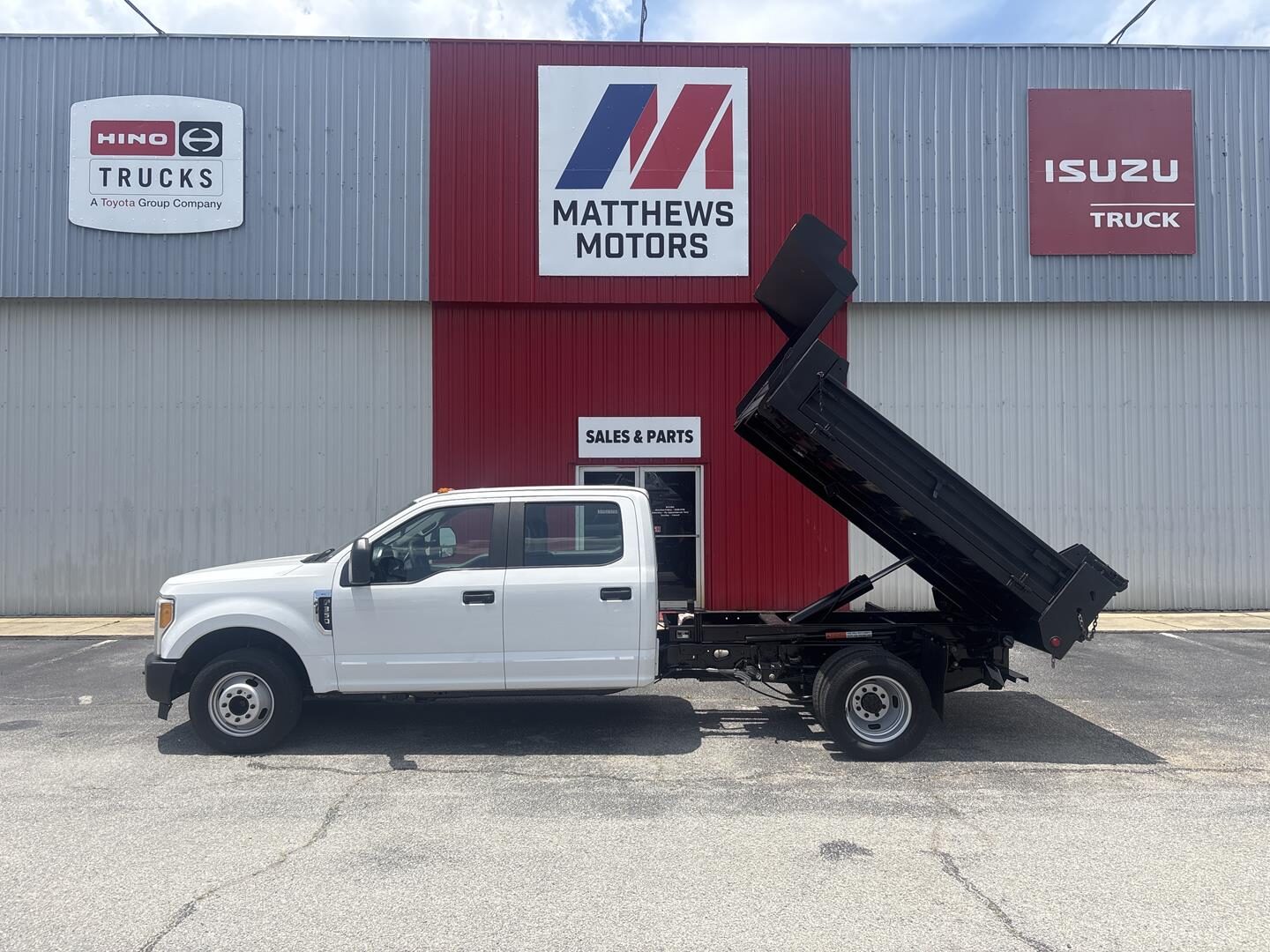
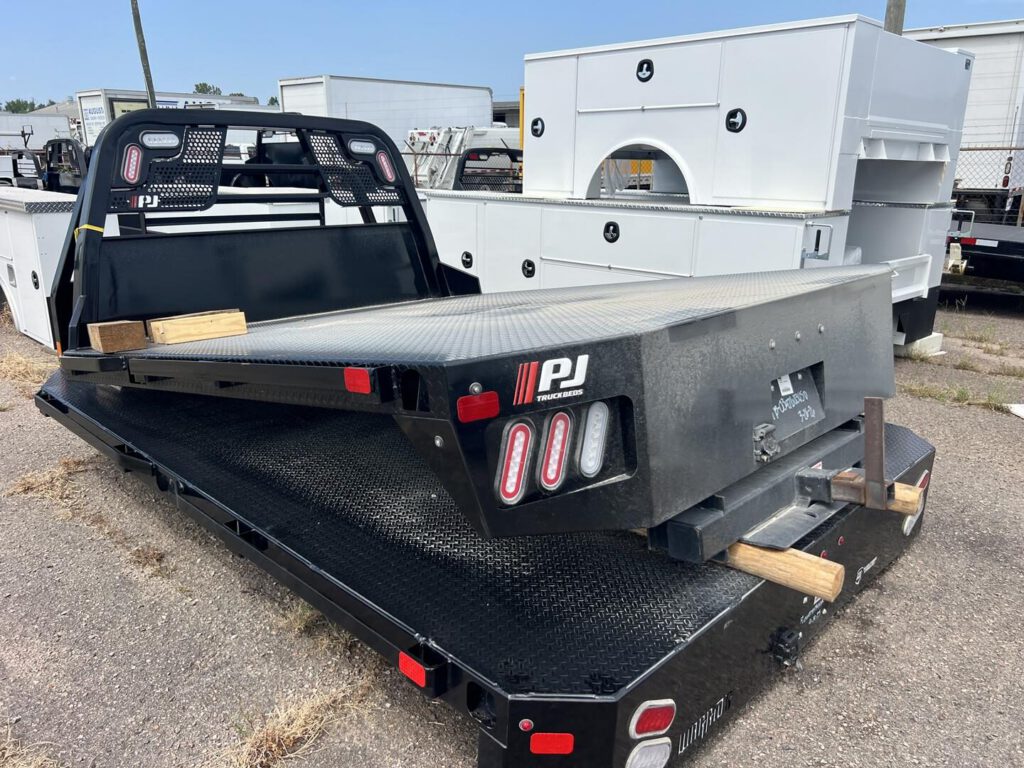
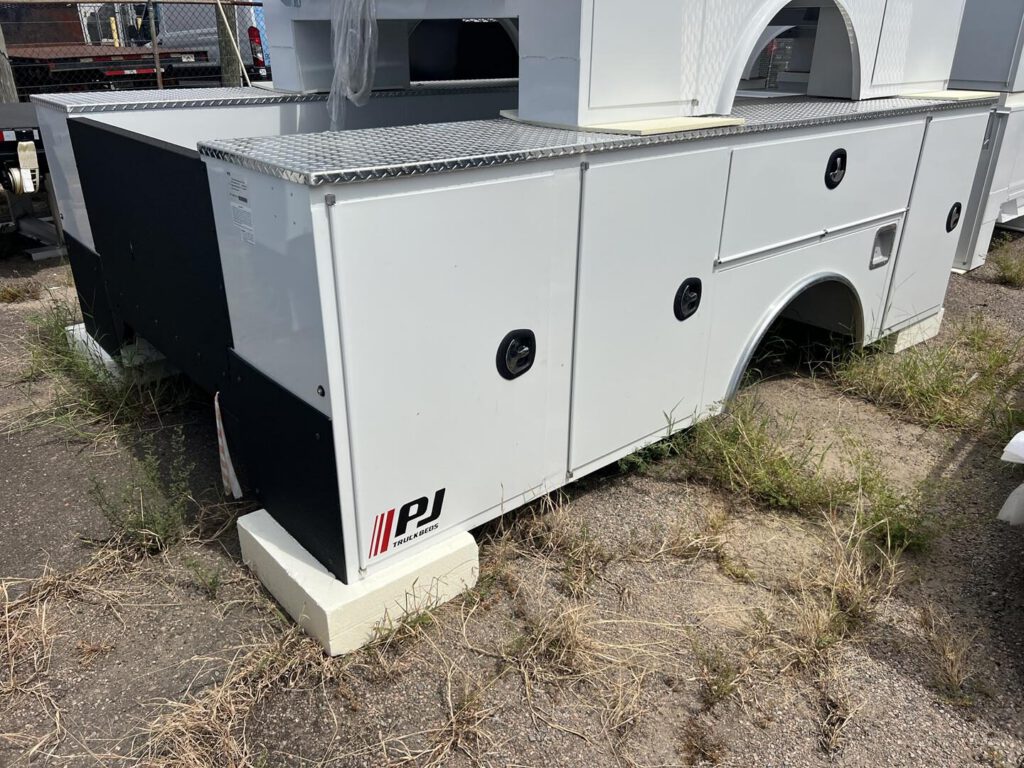
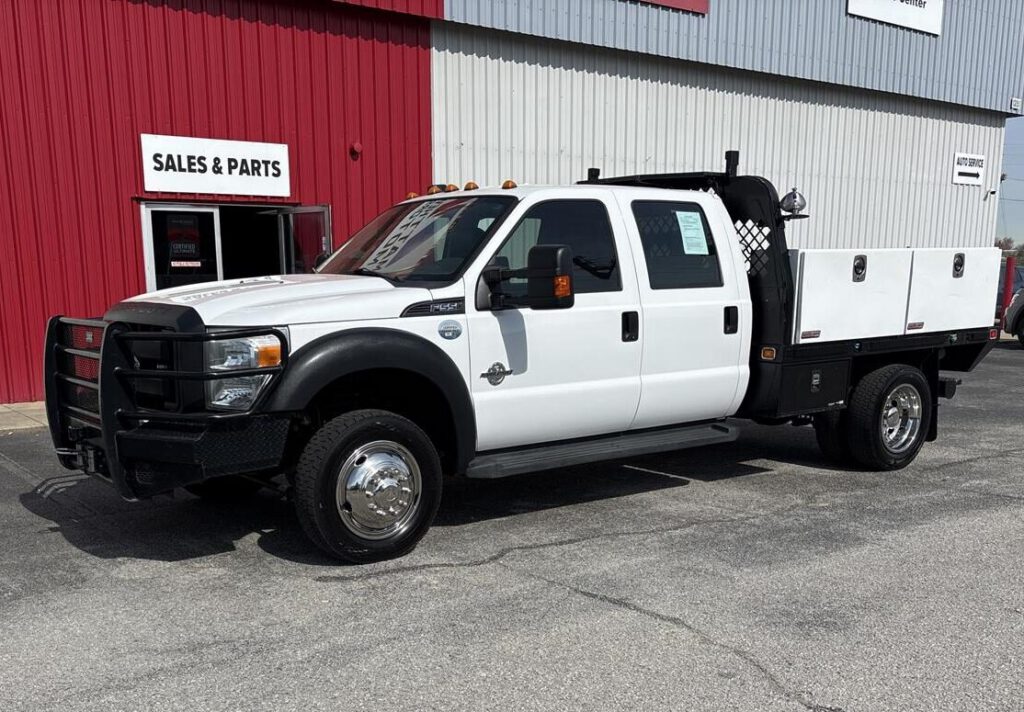
Most fleets mix three bodies. A dump truck moves gravel, dirt, debris and asphalt. A flatbed or stake truck carries lumber, pipe, block and equipment that loads from the side or by forklift. A service or utility body keeps tools, parts and supplies locked up on the job. Matching the body to the work matters more than the size of the truck: a dump body that sits empty half the week costs more than it earns.
Many crews run a Ford F-350 to F-550 or a cab-forward Isuzu for daily work, and step up to a Class 6 or 7 dump truck as the loads grow. The sections below show what to look at, the truck types that fit, and what we have on the lot today.
Payload
The heaviest load you carry, not the average one.
Towing
Hitch, trailer brakes and combined weight rating.
Body
Dump, flatbed or service body for the work.
Before you buy
Dump, flatbed or service body
A dump body earns its keep on material: size it by payload weight as well as cubic yards, because a full bed of wet soil or stone can outweigh what the chassis is rated to carry. A flatbed or stake body is the most flexible hauler, with stake sides for loose loads and a clear deck for forklift loading. A service body trades bed space for locking compartments, which suits site maintenance and finish trades.
What to check before you buy
- Dump hoist: the cylinder, the pump and the PTO or electric drive, the bed floor and the tailgate hinges.
- Flatbed: the deck boards or steel floor, the stake pockets and the headache rack.
- Towing: the hitch and receiver, the trailer brake controller and wiring, and the gross combined weight rating (GCWR).
- Chassis: GVWR and axle ratings, the frame under the body, the tires and brakes; construction work is hard on all four.
- Paperwork: service records, and an inspection of the hoist and frame on a pre-owned truck.
- Fleet fit: the same chassis across your trucks keeps parts, training and service simple.
New or pre-owned
A new truck lets you choose the body and the chassis rating for your loads. A pre-owned truck costs less up front, but look hard at the hoist, the frame and the hours of hard use behind the odometer.
After the sale
Matthews has a service department, a parts counter, an upfit shop and mobile truck repair in the same place, so the truck and the body can be kept working after you buy. If what you need is not in stock, tell us the body, the payload and the chassis and we will look for it or have one built.
Common questions
Do I need a CDL to drive a dump truck?
A commercial driver's license (CDL) is generally required above 26,000 pounds gross vehicle weight rating (GVWR), or when the truck and trailer together are rated over 26,000 lb with a trailer rated over 10,000 lb. A Ford F-350 or F-550 dump truck usually needs no CDL on its own; a Class 7 dump truck does. Check the door-jamb label and your trailer's rating.
How big a dump body do I need?
Size it by the weight you haul as well as the volume. A small dump body on a one-ton chassis suits debris and light material; gravel, stone and wet soil need a heavier chassis even for the same cubic yards.
Flatbed or stake body?
A flatbed loads easily from every side and by forklift; stake sides add containment for loose loads and come off when you need the open deck. Call (706) 722-3997 and tell us the work; we will show you the trucks that fit.
Talk to someone who sells these every week
Need a truck built to the job? Send the spec and a truck specialist will call.
Call (706) 722-3997Talk to a truck specialist
Build one to your spec
Tell us the work and the body. A truck specialist calls you back with options, build time and a quote.