Introduction
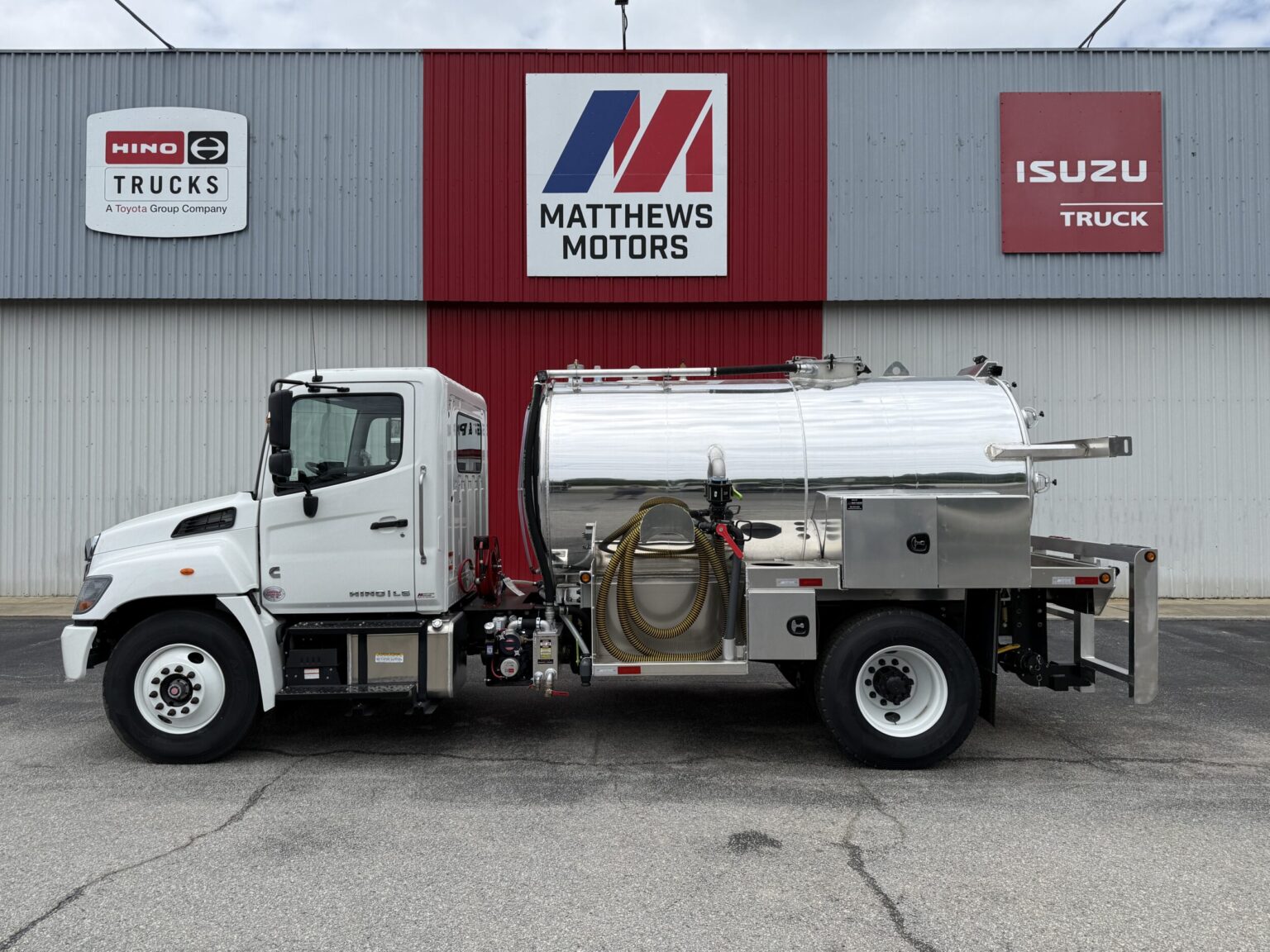
Portable restroom trucks may look simple from the outside, but they rely on a carefully designed vacuum system to operate efficiently.
Understanding how these trucks work helps operators maintain their equipment and run more efficient routes.
Step 1: Creating Vacuum Pressure
The vacuum pump removes air from the tank.
This creates negative pressure that pulls waste through the hose and into the holding tank.
Step 2: Float Ball Shutoff
To prevent damage to the pump, sanitation trucks use a float ball shutoff.
As liquid levels rise, the floating ball seals the vacuum line and stops liquid from entering the pump.
Step 3: Secondary Traps
Secondary traps capture moisture and debris before it reaches the pump.
These traps must be drained daily.
Step 4: Cleaning the Unit
After pumping the waste, operators:
- Wash the interior of the restroom
- Add fresh water
- Add chemical deodorizer
Typically 4–5 gallons of water and sanitizer are added back into each restroom.
Step 5: Dumping the Waste Tank
Once the tank reaches capacity, operators must dump the waste at an approved facility such as:
- Wastewater treatment plants
- Authorized dump stations